If you're shopping for a new business phone system, you'll hear the term VoIP a lot. Here's a plain-English look at how it compares to the traditional phone lines many small businesses still use.
What is VoIP?
VoIP stands for Voice over Internet Protocol. Instead of running calls over copper phone lines and a phone system box in your back closet, VoIP sends calls over your internet connection to a secure cloud phone system.
Cost
Traditional lines are usually priced per line, plus fees and equipment maintenance. With VoIP, you typically pay a predictable monthly rate per user or line, and there's no large on-site system to maintain. For many small offices, that means a lower monthly bill.
Features
VoIP includes features that used to be reserved for large companies:
- An auto attendant ("Press 1 for sales, 2 for service")
- Voicemail delivered to your email
- Call parking and transfers between any phones
- Ring groups that ring several people at once
- A mobile app that uses your business number on your cell phone
Call quality
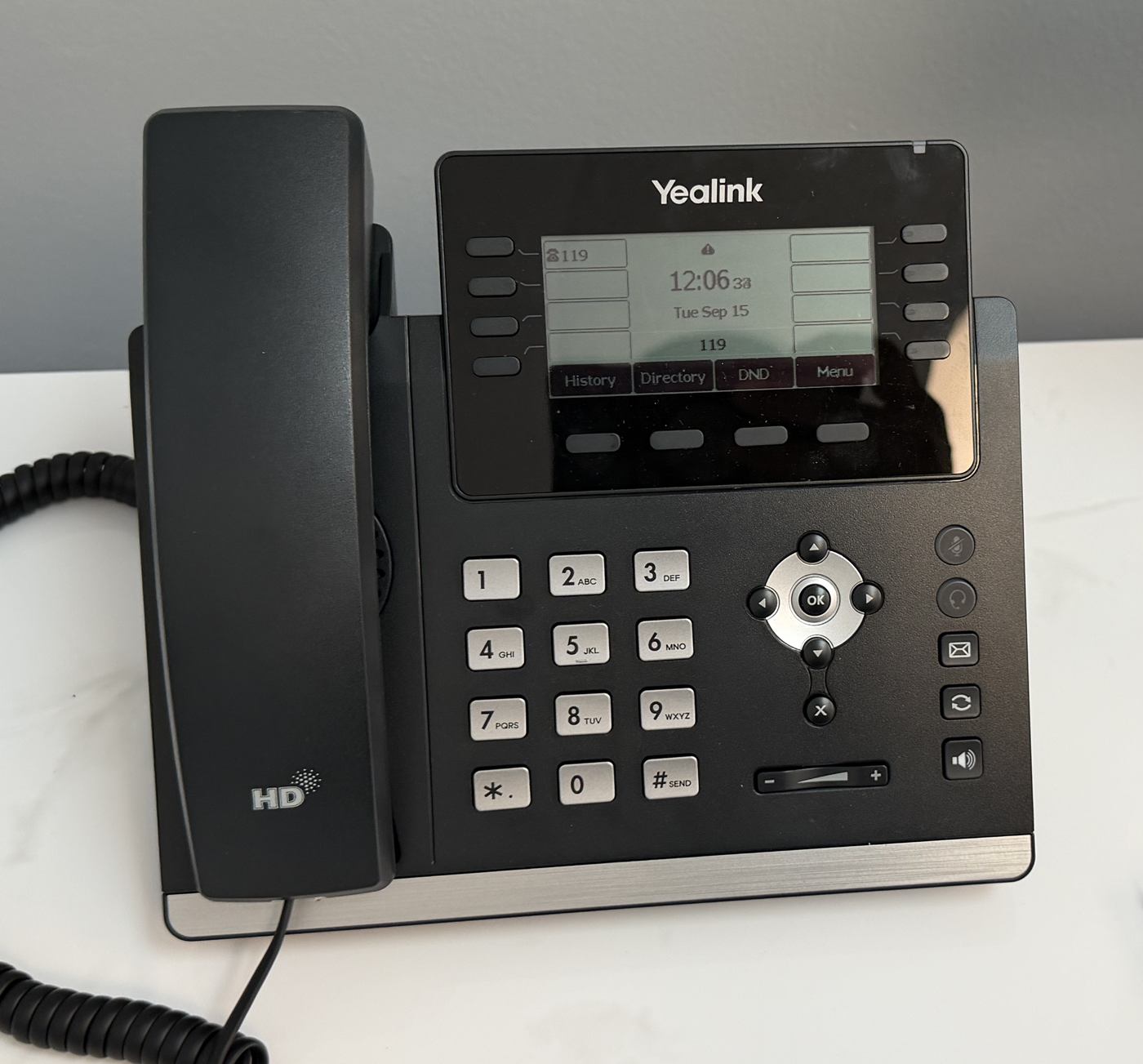
Modern HD IP phones often sound clearer than traditional lines. Call quality depends on your internet connection and network, which is why we check both before installing anything.
What if the internet goes down?
It's the most common question we get. A good VoIP setup plans for it: calls can automatically forward to cell phones, and an LTE backup connection can keep you online when your main internet drops.
Do you need new equipment?
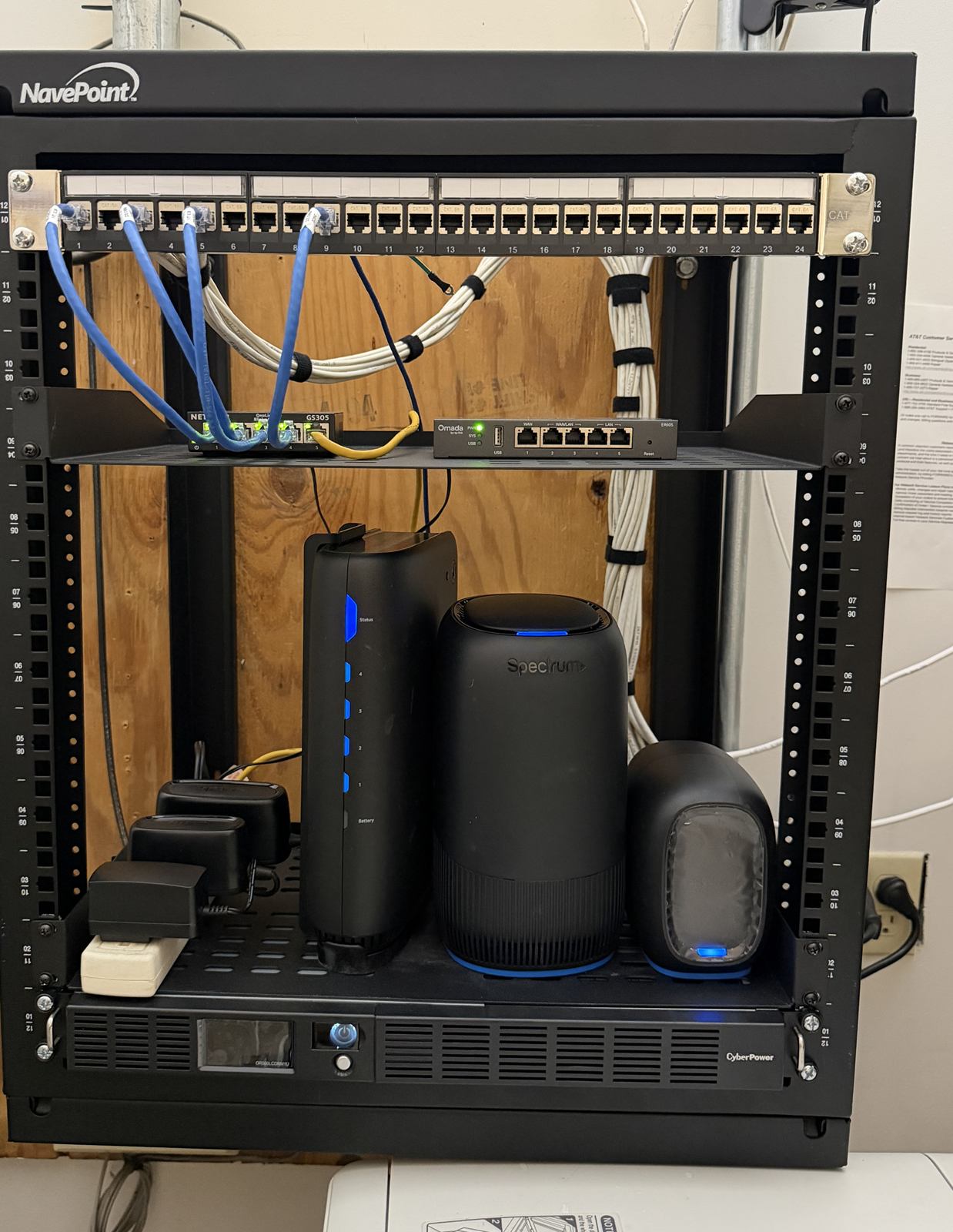
You'll need IP phones (we install and program them) and a reliable network. In most offices, your existing internet service works fine. If anything needs an upgrade, we'll tell you up front.
Can you keep your phone number?
Yes. Your existing numbers are transferred to the new system, so your customers keep calling the same numbers.
The bottom line
For most small businesses, VoIP costs less, does more, and is easier to manage than traditional lines. Want to see what it would cost for your office? Build your package or talk to an expert.